
When it comes to replacing your windows, there are a variety of styles to pick from. The two most popular options are single-hung and double-hung windows. While these two styles look similar, they operate differently and offer distinct benefits. By understanding the difference between single-hung vs. double-hung windows, you can choose the right option for your home, lifestyle and budget.
What is a Single-Hung Window?
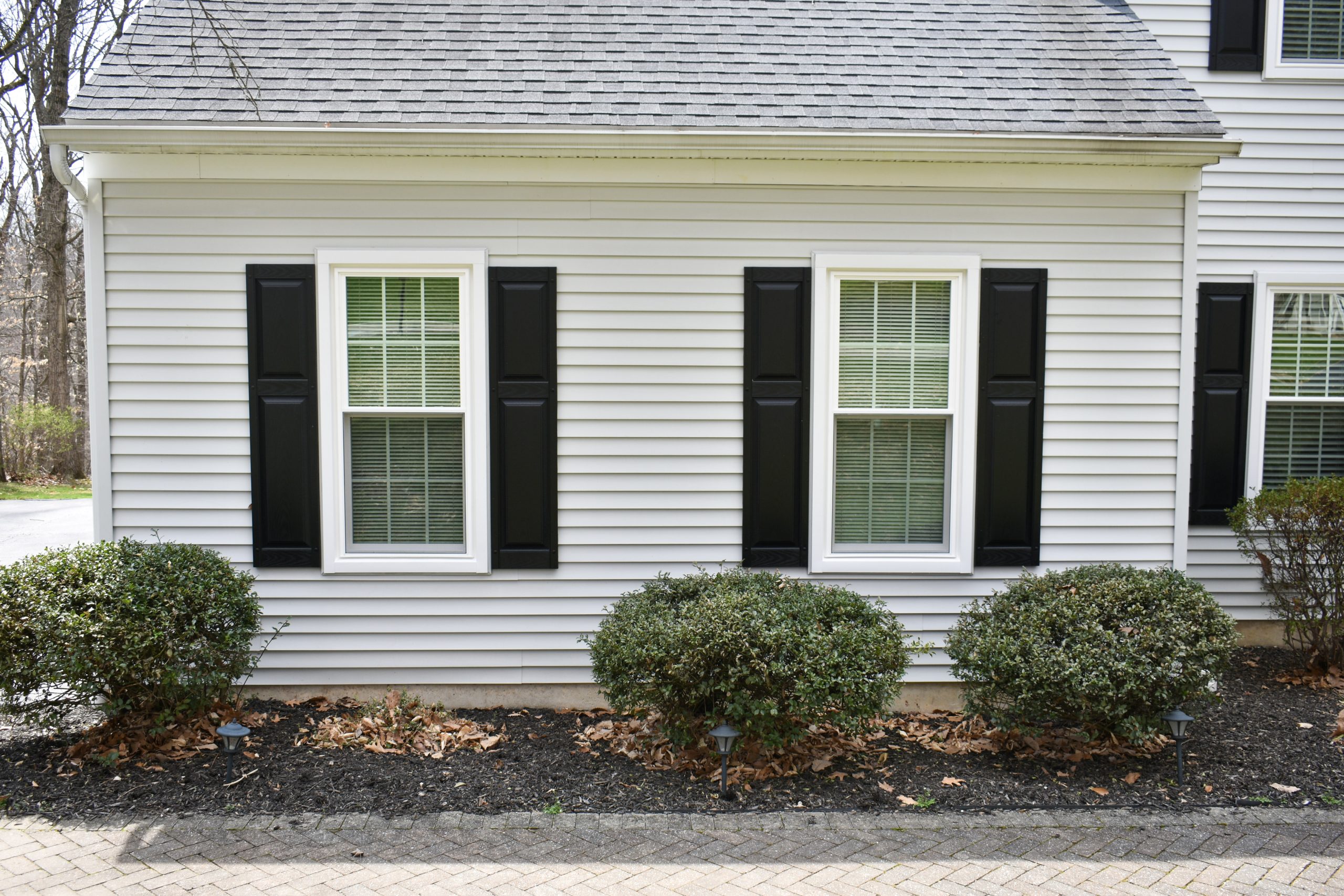
A single-hung window features two sashes, but only the bottom sash moves. A sash is the framed section of a window that holds the glass. You can slide the bottom sash upward to open the window, while the top sash stays fixed.
This simple design makes single-hung windows a common and practical choice for many homes. They offer a classic appearance and provide ventilation without the added functionality of a second moving sash.
Benefits of Single- Hung Windows
Cost-effective: Because they have fewer moving components, single-hung windows can be a more budget-friendly option.
Classic appearance: Their traditional design works well with a variety of home styles, including older and historic homes.
Energy efficiency: With fewer moving parts, single-hung windows can provide an effective seal when properly installed and maintained.
Simple operation: The bottom sash is easy to open and close for ventilation.
Potential Drawbacks of Single-Hung Windows
The main limitation of a single-hung window is that only one sash opens. This means there are fewer ventilation options compared with a double-hung window.
Cleaning can also be more challenging, particularly for windows located on upper floors. Depending on the design, homeowners may need to clean the exterior from outside.
What is a Double-Hung Window?
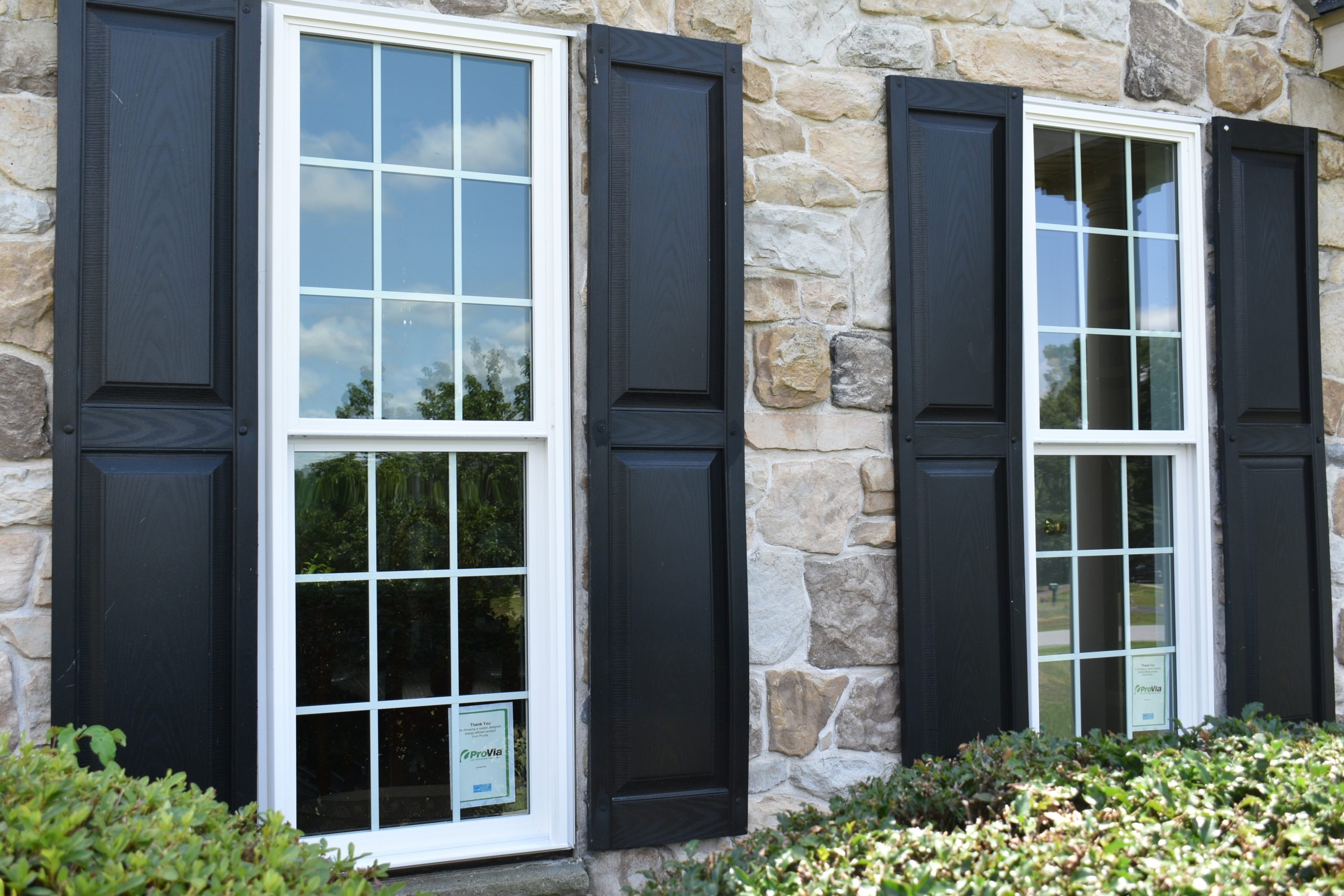
A double-hung window also has two sashes, but both the top and bottom sashes can move. The sashes can typically slide up and down independently, giving homeowners more flexibility.
This design makes double-hung windows a versatile choice for bedrooms, living rooms, and other areas where ventilation is important.
Strengths of Double-Hung Windows
More ventilation options: Opening both the top and bottom sashes allows homeowners to control how air moves through the room.
Easier cleaning: Many modern double-hung windows feature tilt-in sashes, allowing both sides of the glass to be cleaned from inside the home.
Versatile design: Double-hung windows complement many different architectural styles and can work well throughout an entire home.
Flexible airflow: Opening the top sash can allow warm air to escape while opening the bottom sash brings in cooler air.
Potential Drawbacks of Double-Hung Windows
Double-hung windows typically cost more than comparable single-hung windows because they have more moving components and offer additional functionality.
The additional hardware and moving parts may also require more maintenance over time. However, quality construction and proper installation can help ensure reliable performance.
Make the Right Choice for Your Home
Single-hung and double-hung windows can both provide homeowners with attractive, functional, and energy-efficient options. The key is understanding how each style works and deciding which features matter most to you.
Whether you prefer the simplicity of a single-hung window or the added flexibility of a double-hung window, the right choice should complement your home and fit your everyday needs.
Considering new windows? Chapman Windows, Doors & Siding can help you explore your options and find the right solution for your home.
